
Ethics & legal
Using AI Responsibly When You Livestream: Transparency, Copyright and Keeping Your Voice
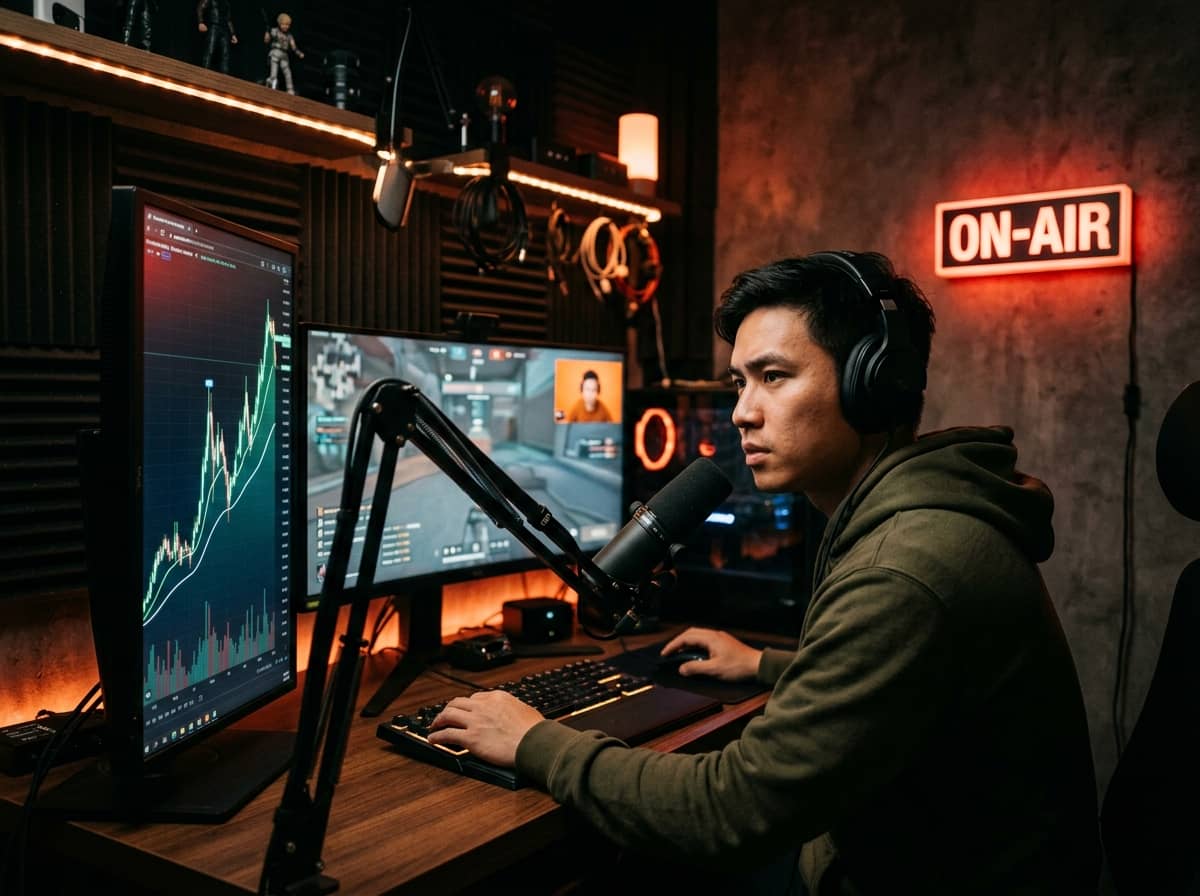
AI helps you work faster, but it also raises new risks: untrue content, copyright violations, data leaks and a channel that slowly loses its personality. Audience trust is a creator's biggest asset, so using AI needs principles.
1. Be transparent with your audience
Many platforms have rules about labeling content that is AI-generated or heavily AI-edited. Read the latest policy of each platform you use and follow it. Don't use AI to impersonate real people or create images or voices that could mislead viewers.
2. Respect copyright
Check the origin and terms of use of images, music and voices that AI tools generate or that you feed in. Not everything AI creates is free for commercial use. For background music, choose clearly licensed sources.
3. Protect data
Don't put customers' personal information, phone numbers, addresses or internal data into public AI tools. Read the terms on whether the tool uses what you type to train its models.
4. Tell the truth about products
AI can write very persuasive ad copy but doesn't know what your product really does. You're responsible for every word on air. Follow advertising laws and avoid absolute promises.
5. Keep your own voice
If every channel uses the same tool in the same way, content starts to look alike. Use AI to get a draft, then add the stories, phrasing and opinions only you have.
Pre-live checklist
- I've checked prices, product details and policies.
- I've reread the script and rewritten it in my own voice.
- AI-generated content is labeled where the platform requires it.
- Images, music and voices are all cleared for use.
- No customer personal data went into public tools.
- Someone is accountable for the final review.